



Review Clinic

Best Men's Hair Loss UK

Compare the UK’s leading hair loss brands by price, treatments, and drawbacks to find the best fit for your needs and budget.

Compare the UK’s leading hair loss brands by price, treatments, and drawbacks to find the best fit for your needs and budget.

Last Updated: November 23, 2026

We may collect commissions for purchases from our links.

Last Updated: November 23, 2026

We may collect commissions for purchases from our links.

MOST POPULAR 🏆

1.

Leo

4.9

Excellent

Rated 5 out of 5

3.

4.0

Very Good

Rated 4 out of 5

2.

4.2

Very Good

Rated 4.2 out of 5

4.

3.9

Very Good

Rated 3.9 out of 5

5.

3.5

Good

Rated 3.5 out of 5

6.

3.5

Good

Rated 3.5 out of 5
Review Card
4.9
EXCELLENT
★★★★★
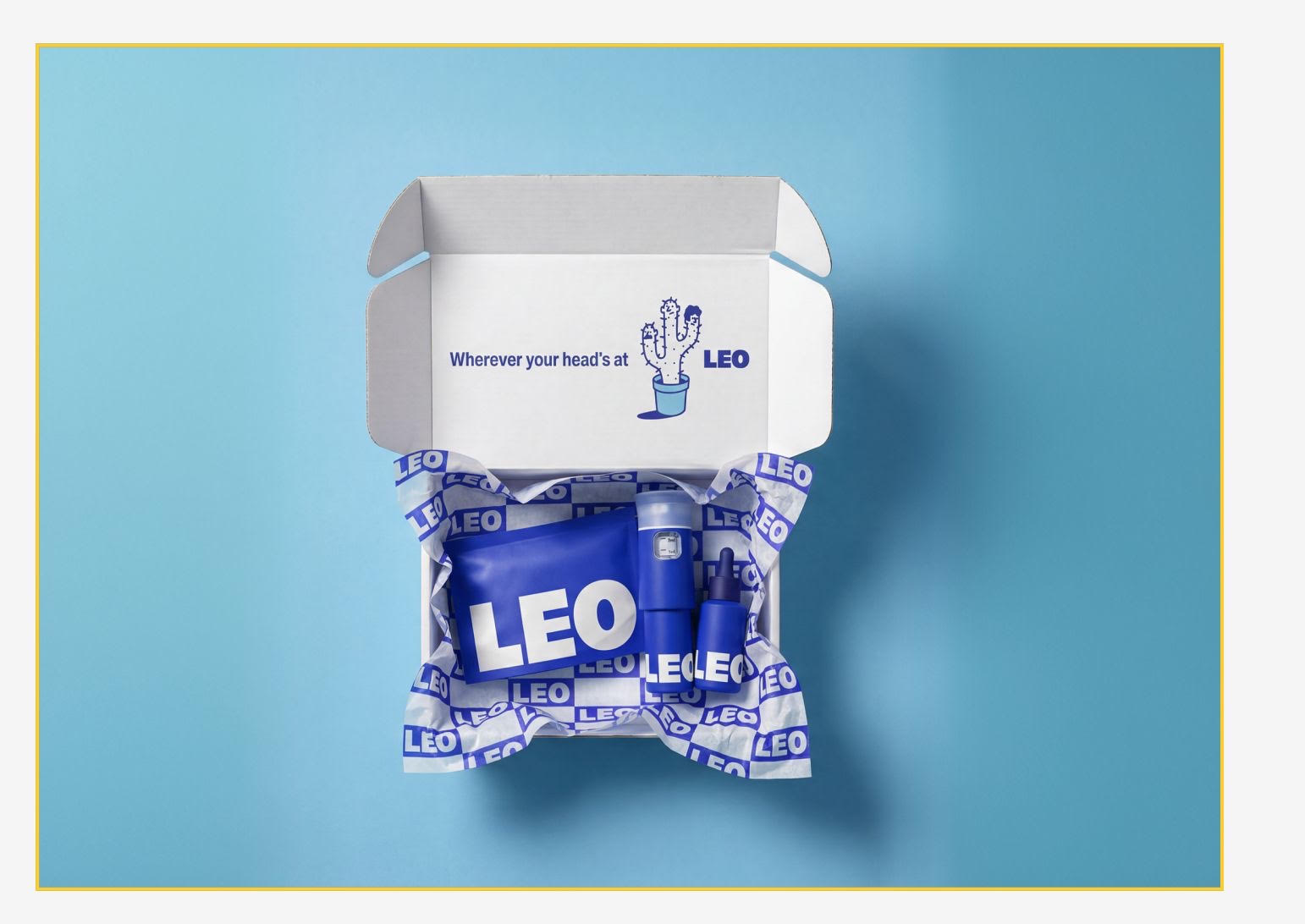
  • Alcohol-free 6% minoxidil with niacinamide for less greasy application.
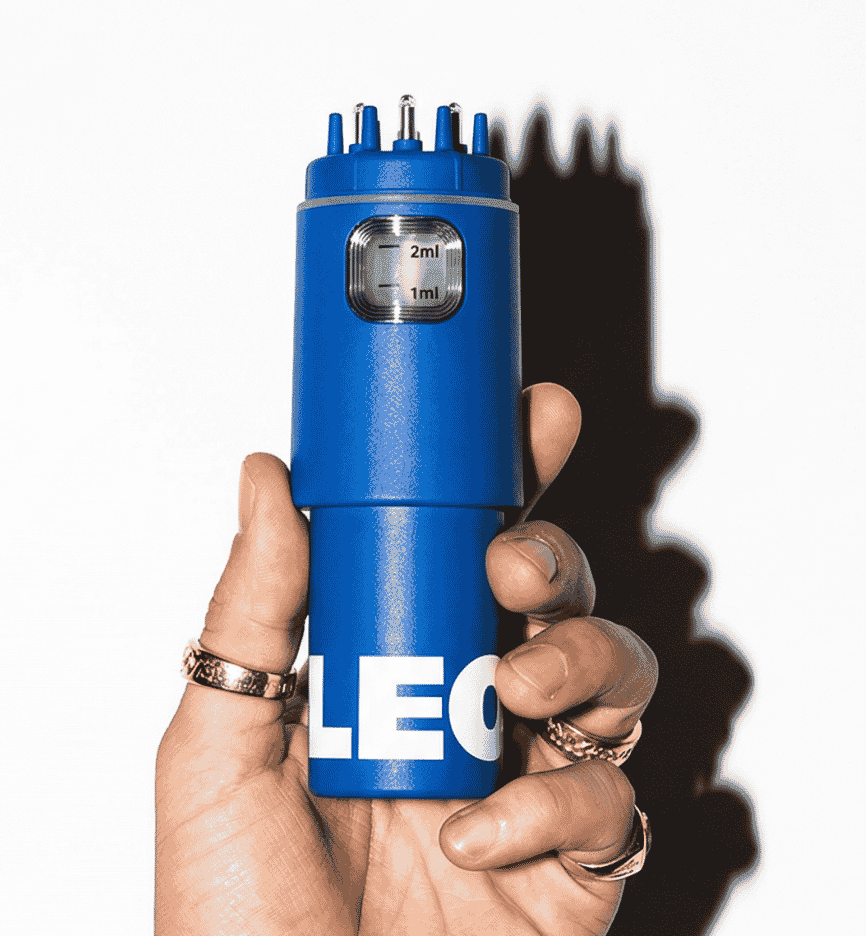
  • Precision scalp roller targets thinning areas with minimal waste.
  • Triple-action topical serum offers an alternative to oral tablets.
  • Zero price hikes: Promises the same subscription price now and forever, unlike competitors.
Pricing from £28/month
Visit Site →
4.2
VERY GOOD
★★★★★
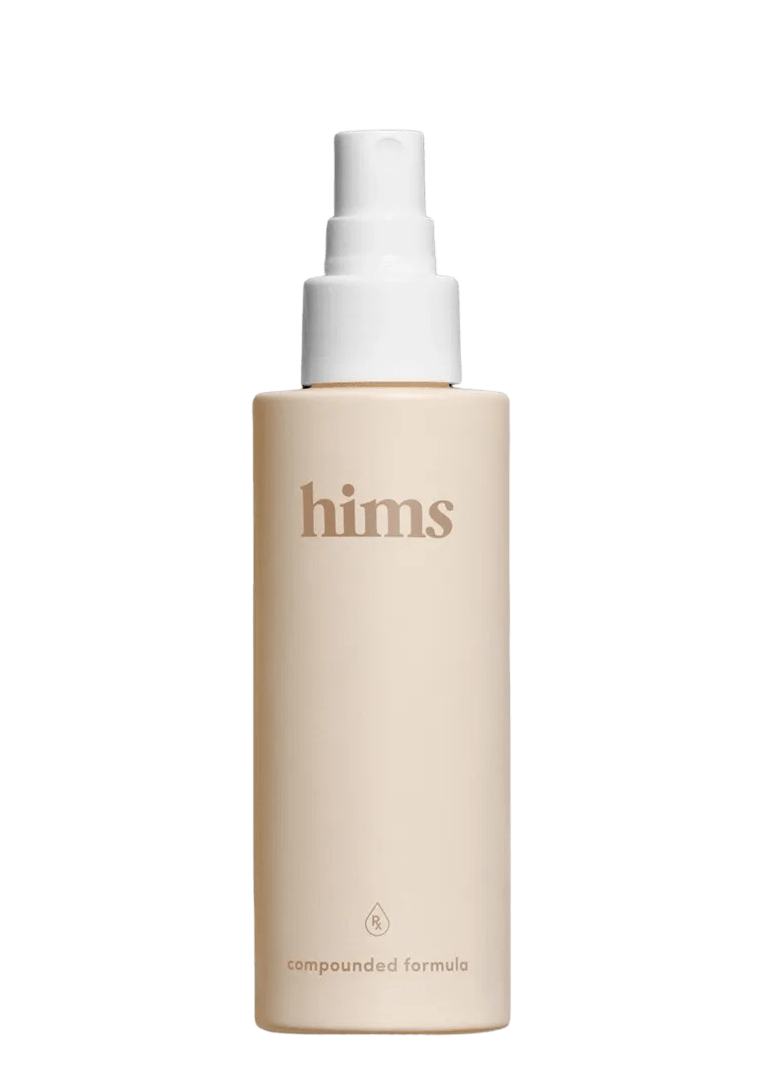
  • Personalised hair loss sprays and serums tailored to individual needs.
  • Combines finasteride and minoxidil to target shedding and regrowth.
  • Offers prescription tablets, topical treatments and hair supplements.
Pricing from £23/month
hims Visit Site →
4.0
VERY GOOD
★★★★★
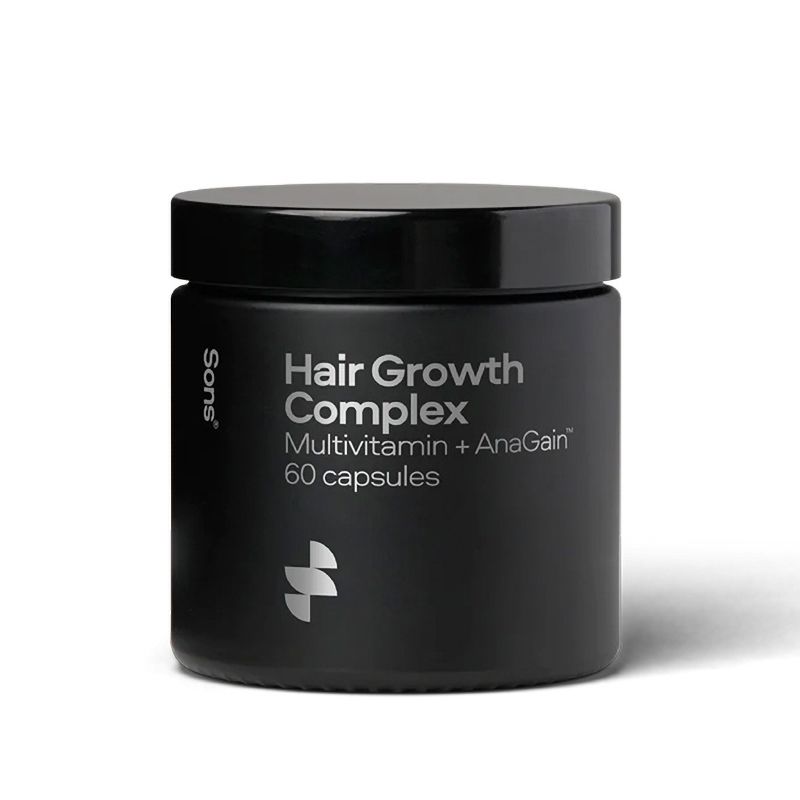
  • More affordable starting price than LEO and Hims.
  • Offers combination sprays alongside oral treatment options.
  • Lowest prices require upfront payment, with higher renewal costs.
Pricing from £13.6/month
sons Visit Site →
3.9
VERY GOOD
★★★★★
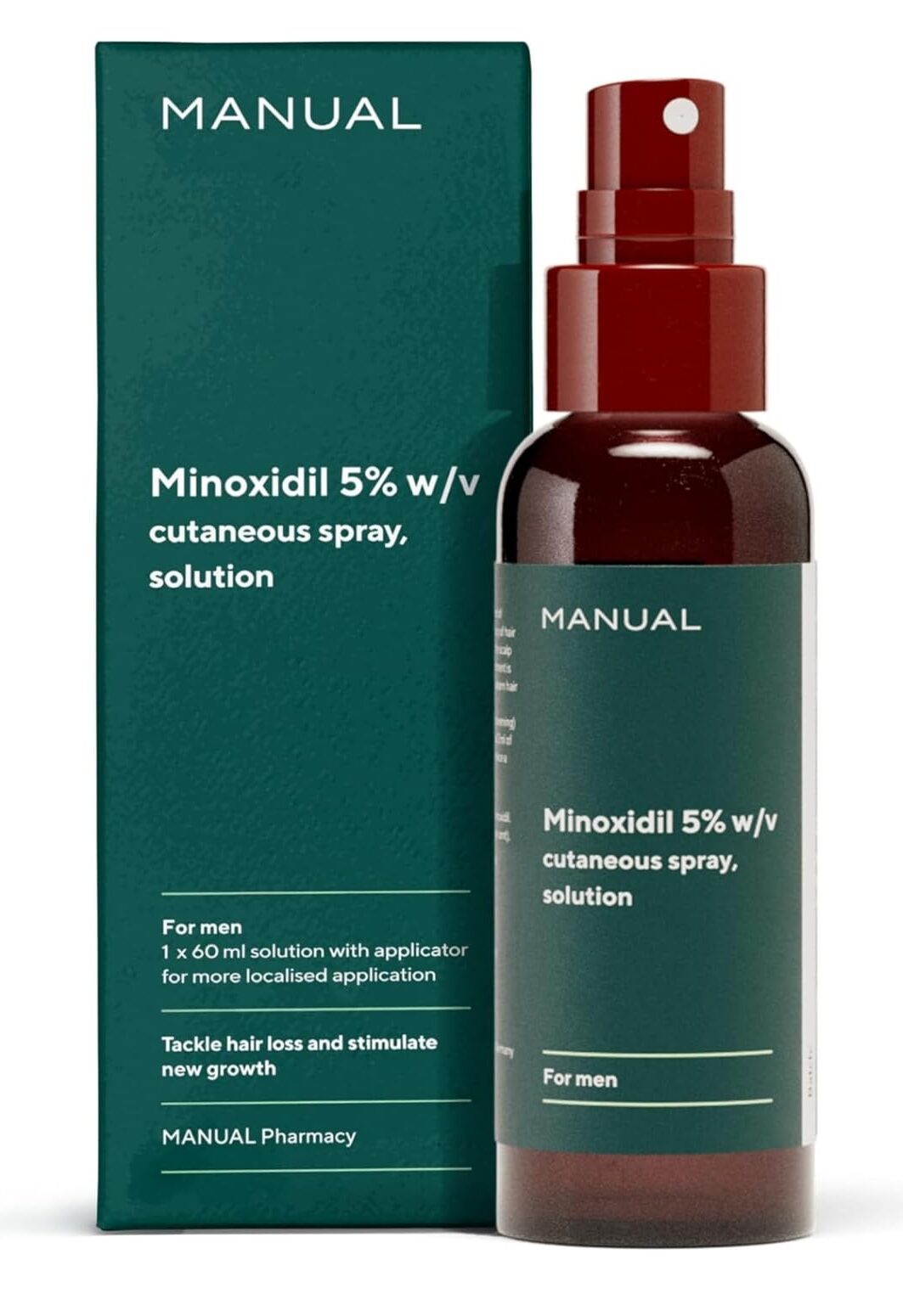
  • Over 30 treatment combinations, but many use the same ingredients as competitors.
  • Clinician-led treatment adjustments with video and WhatsApp support.
  • Free hair-tracking tool helps document progress over several months.
  • Refunds require 180 days of treatment, regular photos and strict eligibility rules.
Pricing from £14/month
manual Visit Site →
3.5
GOOD
★★★★★
  • Offers branded Regaine foam alongside its own prescription treatments.
  • Personalised minoxidil sprays, but uses similar ingredients to competitors.
  • Also sells rosemary oil and supplements with less-established regrowth benefits.
  • Higher entry prices than Sons, with some subscriptions locked into commitment periods.
Pricing from £30/month
Numan Visit Site →
3.5
GOOD
★★★★★
  • Offers topical minoxidil strengths up to 10%, subject to clinical approval.
  • Personalised formulations may include finasteride or off-label dutasteride.
  • Pricier than Sons and Manual, with twice-daily application and no results-based refunds for prescriptions.
Pricing from £36.39/month
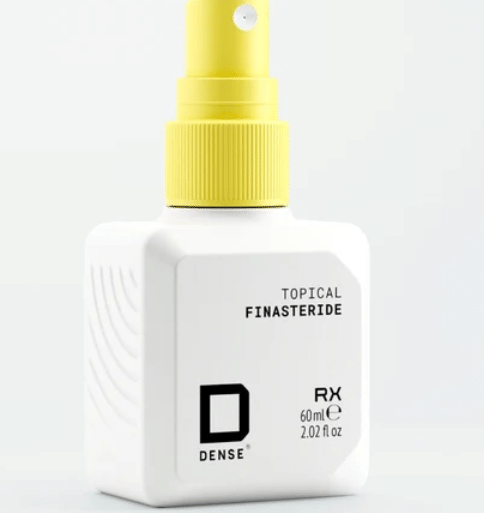
Dense Visit Site →

Our Methodology

272,324

shoppers have compared online products this month

Extensive Testing
We dedicate thousands of hours to independently test the best online hair loss products
Expert Review
Industry professionals fact-check and refine each review to ensure trust and accuracy.
User Feedback
We incorporate feedback from thousands of users to ensure our recommendations are reliable

Understanding the Most Common Hair Loss Ingredients

Not all hair loss treatments work the same way. While some target the hormones responsible for thinning hair, others stimulate growth or support scalp health. Understanding the ingredients can help you avoid paying extra for treatments that offer little additional benefit.

  • Minoxidil: One of the most established hair regrowth treatments, available in foams, sprays and solutions. It can stimulate growth and slow thinning, but requires consistent long-term use.
  • Finasteride: A prescription medication that reduces DHT, a hormone linked to male pattern baldness. It can slow hair loss and encourage regrowth, although sexual and mood-related side effects are important considerations.
  • Dutasteride: Similar to finasteride but blocks both major types of the enzyme responsible for DHT production. It is sometimes prescribed off-label for hair loss and requires careful medical assessment.
  • Biotin, Rosemary Oil and Saw Palmetto: Commonly marketed as natural hair growth boosters. However, evidence remains considerably weaker than for minoxidil and finasteride. Supplements are generally most useful when correcting a deficiency.


Tablets vs. Topical Treatments: Which Is Better?

Hair loss brands increasingly offer both oral medications and topical formulas. Tablets are generally more convenient, while sprays and serums allow direct scalp application.

However, topical treatments are not automatically safer. Some ingredients, including finasteride, can still enter the bloodstream. Combination sprays may also be more expensive without necessarily delivering better results for everyone.

The best choice depends on your type of hair loss, medical history and willingness to maintain a daily routine.


What to Look for in an Online Hair Loss Service

Beyond the advertised prices and before-and-after photographs, several factors distinguish trustworthy telehealth providers:

  • Proper medical assessment: Look for a genuine clinical review rather than automatic prescription approval.

  • Transparent pricing: Compare renewal rates, delivery charges and the total cost over six months.

  • Licensed treatments: Check whether medications are licensed for hair loss or prescribed off-label.

  • Ongoing support: Prioritise services that offer follow-ups and help managing side effects.

  • Flexible subscriptions: Check cancellation terms, upfront commitments and refund restrictions.

  • Verified providers: Confirm that the pharmacy is registered with the General Pharmaceutical Council (GPhC) and that relevant healthcare services meet regulatory requirements.


How Long Until Hair Loss Treatments Work?

Hair regrowth takes time. Some people notice changes within three to six months, while others may need six to twelve months before meaningful improvements become visible.

Initial shedding can occur with minoxidil, and results vary depending on the cause and extent of hair loss. Most importantly, treatment benefits generally fade after stopping medication.

Be cautious of brands promising dramatic regrowth within weeks or guaranteed results.


Are Expensive Hair Loss Plans Worth It?

Not necessarily. Many premium hair loss subscriptions use the same core ingredients as more affordable providers. However, the biggest difference isn’t always the starting price, but what you pay when your subscription renews.

Some brands attract customers with introductory discounts before charging higher prices on renewal. LEO takes a different approach, promising zero price hikes, with the same £28/month price locked in for life.

Before choosing a provider, compare ongoing prices rather than introductory offers. Also consider the ingredients, treatment effectiveness and medical support to determine which service offers the best long-term value.

LEO Hair stands out for its focus on convenient, targeted hair loss treatment without complicated routines. Its alcohol-free 6% minoxidil formula with niacinamide offers a less greasy application, while the optional precision scalp roller helps deliver treatment directly to thinning areas with minimal waste. Unlike brands that primarily promote oral medications, LEO offers topical combination treatments for those who prefer avoiding tablets. Its quick online consultation, pharmacist-reviewed prescriptions and flexible subscriptions make getting started straightforward. With affordable entry prices and no fixed-term commitments, LEO is a strong choice for customers seeking effective, easy-to-use treatments without unnecessary extras.

In the spirit of transparency:

Our editorial team is independent and objective. But to sustain our in-depth research without charging readers, we attempt to partner with some of the companies listed on this page, and may receive marketing compensation in exchange for clicks, purchases, and calls from our site. Such compensation can impact the location and order in which such companies appear on this page. All remain subject to change, however, based on our editorial staff’s decisions. Prices are accurate at the time of publication.