
Nuropod vs Pulsetto: Which Vagus Nerve Stimulator Is Better?
We may earn commission if you buy through our links.

Written by: Jane Feddersen
Affiliate Disclosure:
We earn commission if you buy through our links.
 Affiliate Disclosure
We earn commission if you buy through our links.
Affiliate Disclosure
We earn commission if you buy through our links.
In our review
Our overall pick is Nuropod for its more standardized auricular stimulation setup and deeper research footprint. Pulsetto remains the better choice for quick sessions, app-guided routines, and a lower upfront price.
| Nuropod | Pulsetto | |
|---|---|---|
| Best for | 🏆 Best overall for research-first users who want the most consistent, precision-led daily vagus nerve stimulation | Quick sessions, app guidance, lower upfront price |
| Why it stands out | Targets the tragus/inner-ear area used in auricular VNS research, with fixed placement and no conductive gel to support more consistent stimulation session to session | 4-minute programs, guided app experience, neck-worn format, significantly cheaper entry price |
Nuropod vs Pulsetto
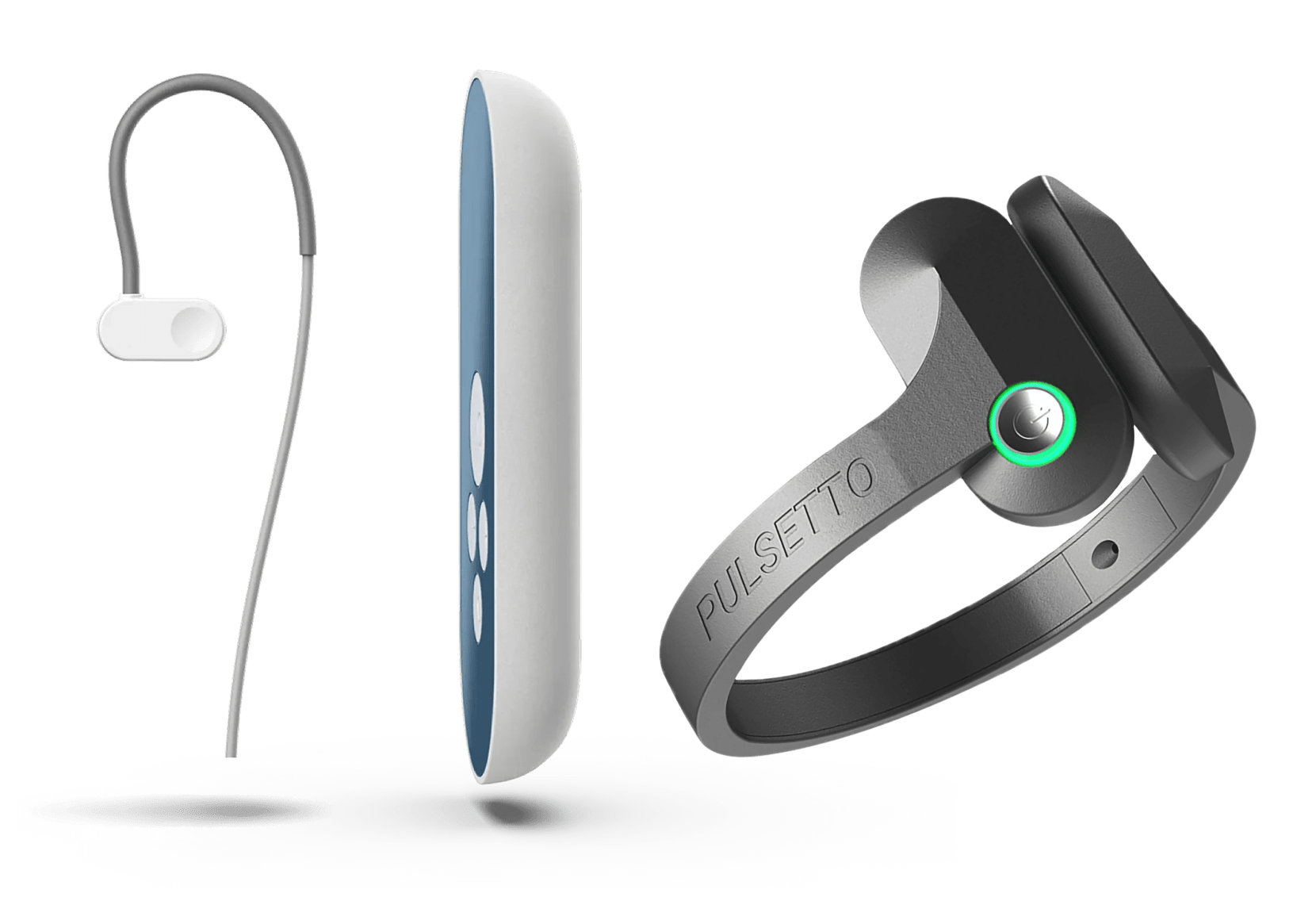
Nuropod and Pulsetto are both non-invasive electrical vagus nerve stimulation devices, but they do not use the same route. Nuropod stimulates through the ear, using an earpiece positioned on the tragus and inner ear. Pulsetto is worn around the neck and uses conductive gel to deliver stimulation through its neck electrodes. That difference affects setup, session length, repeatability, and the overall experience.
For this comparison, we put more weight on the factors that matter to a neuromodulation device: where the stimulation is delivered, how repeatably the device can be positioned, how standardized the protocol is, and how much product-specific research sits behind the system. Comfort and convenience still matter, but they are not the whole story.
That is why Nuropod is our best overall choice. Its fixed ear-based setup is designed around a repeatable stimulation site, and its manufacturer presents a substantially broader clinical research program. Pulsetto is not a bad alternative. In fact, it is the more attractive option for people who want very short sessions, a guided app, or a much lower upfront cost.
About Nuropod
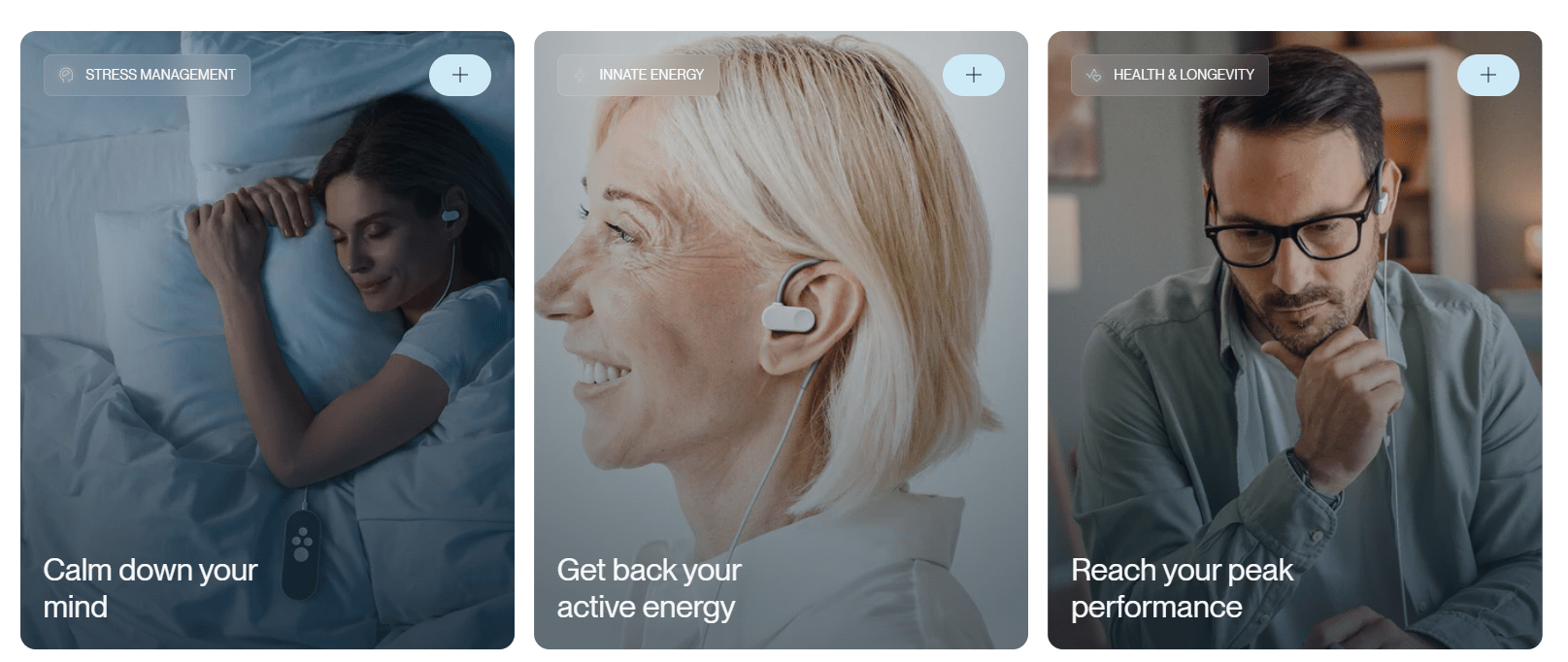
Nuropod is an auricular vagus nerve stimulation device. Its earpiece sits on the tragus and inner ear, and the cable can be moulded behind the ear to help keep the contact point stable. The device is intended for daily use, with the current manufacturer guidance listing sessions of roughly 15 to 60 minutes per day.
- Fixed ear-based stimulation point rather than a neck band.
- Hands-free once fitted, so it can be used while reading, working, or relaxing.
- No conductive gel is required for each session.
- Manufacturer reports 60+ completed studies, 10 years of R&D, and 150+ research partners across the underlying platform.
- Price is about $900, making it the premium option in this comparison.
The main trade-off is obvious: Nuropod costs considerably more, and its recommended daily use is longer than Pulsetto’s shortest programs. It is the stronger pick if you prioritize a standardized stimulation routine and research backing over speed and price.
About Pulsetto
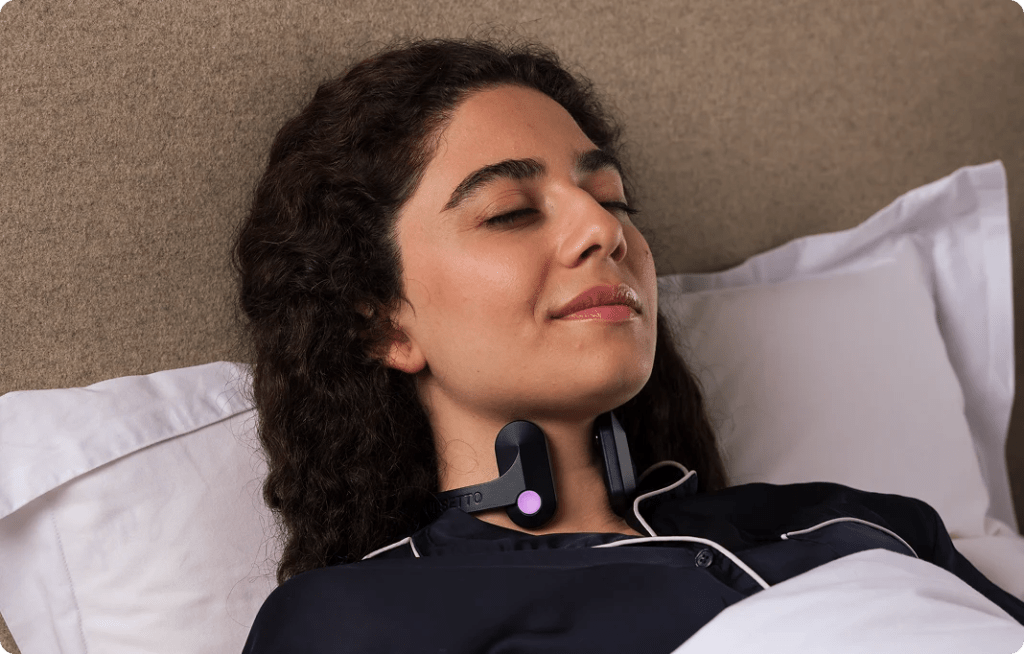
Pulsetto is a neck-worn vagus nerve stimulation device controlled through a companion app. The device is positioned around the neck, conductive gel is applied to improve electrical contact, and the user selects a program in the app. Current programs include options for stress, sleep, burnout/focus, and discomfort, with several core sessions listed at around four minutes.
- Very short sessions make it easy to fit into a busy routine.
- App-led programs give the experience more structure and guidance.
- Premium app features add personalized protocols, guided breathing, affirmations, and extra programs.
- Neck-worn, hands-free format may appeal to people who dislike ear-based devices.
- Starts at a much lower price than Nuropod; current promotions list the Lite model at around $269.
Pulsetto’s compromises are different. It adds gel and app setup to each routine, and correct contact depends on how the neck device fits and is positioned. Its strongest advantage is not that it is “more clinical” than Nuropod. It is that it makes VNS-style stimulation fast, guided, and relatively accessible.
Nuropod vs Pulsetto at a Glance
| Category | Nuropod | Pulsetto | Our pick |
|---|---|---|---|
| Stimulation site | Ear | Neck | Nuropod |
| Positioning | Fixed earpiece placement | Depends on neck fit/contact | Nuropod |
| Conductive gel | No | Yes | Nuropod |
| Typical daily time | 15-60 min/day | Core programs around 4 min | Pulsetto |
| App-led programs | Not the focus | Yes; premium features available | Pulsetto |
| Research footprint | Manufacturer cites 60+ completed studies | Brand highlights a 2025 40-person study plus broader VNS research | Nuropod |
| Starting price* | ~$900 | ~$550 (currently $269) | Pulsetto |
| Best fit | Research-first, consistent daily routine | Convenience-seeking, budget-conscious users | Depends |
Nuropod vs Pulsetto: What to Consider
#1: Stimulation Site and Targeting
This is the most important difference between the two devices. Nuropod uses auricular stimulation through a defined ear contact point. Its earpiece is designed to sit on the tragus and inner ear, which gives the user a clear, repeatable location to return to each session. Pulsetto stimulates at the neck, where effective contact depends on the collar sitting correctly against the skin.
A fixed contact point does not guarantee a better outcome for every person, but it reduces one source of day-to-day variation. For a device that depends on repeated electrical stimulation, we think that consistency matters more than simply having a comfortable wearable shape.
Verdict: Nuropod wins. Its ear-based contact point is more explicitly standardized from session to session. |
#2: Protocol Consistency and Setup
Nuropod keeps the routine relatively simple: fit the earpiece, adjust the intensity, and use it for the recommended period. There is no conductive gel to apply, and there are fewer setup variables once the earpiece is correctly positioned.
Pulsetto is still straightforward, but it asks the user to apply conductive gel, position the neck device, connect to the app, and choose a program. Those steps are not difficult, but they create more opportunities for the contact or routine to vary between sessions.
Verdict: Nuropod wins. It has fewer setup variables and a more repeatable daily application method. |
#3: Research and Clinical Grounding
Nuropod has the stronger research story. Its manufacturer currently reports 60+ completed studies, 10 years of research and development, and more than 150 research partners around its auricular neuromodulation platform. The product is also presented as having been used in randomized, placebo-controlled research.
Pulsetto does cite research, including a 2025 study of 40 people using the device twice daily for four weeks. It also links to the broader vagus nerve stimulation literature. But the volume of product/platform-specific research presented to consumers is smaller than Nuropod’s.
Verdict: Nuropod wins. It offers the deeper and more established product-specific evidence package. |
#4: Session Length and Speed
This is Pulsetto’s clearest win. Several of its core programs are built around sessions of about four minutes. Nuropod’s current guidance is much longer at roughly 15 to 60 minutes per day.
If you know you will not stick with a longer daily routine, a theoretically stronger protocol is not useful. Pulsetto is easier to fit between meetings, before bed, or during a short break.
Verdict: Pulsetto wins. It is the better choice for people who want the shortest possible routine. |
#7: Comfort, Adherence, and Real-World Use
This category is more personal. Nuropod is hands-free and does not need gel, but it sits on the ear and asks for a longer daily session. Pulsetto is also hands-free and much faster, but the neck fit, gel, and app add their own friction.
For long-term adherence, the “best” design is the one you will actually use consistently. We give Nuropod the overall edge because its physical setup is simpler once fitted and its protocol is more standardized. But if time is your main barrier, Pulsetto’s four-minute sessions may be easier to sustain.
Verdict: Slight edge to Nuropod. Less session-to-session setup variability; Pulsetto remains better when speed is the deciding factor. |
#5: App Experience and Guided Programs
Pulsetto is more app-centric. Its app lets you choose goal-based programs and the Premium tier adds personalized protocols, guided breathing, affirmations, and extra stimulation programs. For users who like coaching and a structured interface, this can make the habit easier to follow.
Nuropod takes a more device-first approach. That simplicity is a strength if you do not want another subscription or app workflow, but it also means Pulsetto offers the more guided digital experience.
Verdict: Pulsetto wins. Its app and premium features make it better for users who want guided, personalized routines. |
#6: Price and Accessibility
There is a large price gap. Nuropod is currently listed at about $900. Pulsetto’s base model is frequently promoted at a much lower price, with a current sale price around $269. Pulsetto does sell optional Premium app access and replacement gel, so the long-term cost is not just the hardware price, but it still enters at a substantially lower level.
Nuropod’s higher price makes sense only if you value its research pedigree, ear-based design, and simplified repeatability enough to pay for them. For a first-time buyer who mainly wants to experiment with VNS-style wellness technology, Pulsetto is financially easier to try.
Verdict: Pulsetto wins. It is the more accessible option by a wide margin on upfront price. |
Where Pulsetto Is Still the Better Choice
Nuropod is our overall winner, but that does not mean it is the right purchase for everyone. Pulsetto has three clear use cases where we would choose it instead.
Best for Quick Sessions
Choose Pulsetto if you want to finish a session in a few minutes rather than wear a stimulator for a longer daily block. Its core programs are designed around short routines that can be easier to repeat on busy days.
Best for App-Guided Routines
Choose Pulsetto if you like selecting goal-based programs and following guided breathing, affirmations, or personalized routines. The app gives it a more coached, consumer-wellness feel than Nuropod.
Best for a Lower Upfront Price
Choose Pulsetto if the $900 price of Nuropod is a deal-breaker. Pulsetto is far cheaper to enter, even allowing for optional app subscriptions and replacement gel over time.
Who Should Choose Nuropod?
- You want our best overall pick and are comfortable paying a premium for it.
- You care more about a standardized stimulation setup than having the shortest possible session.
- You prefer a defined ear-based contact point over a neck-worn collar.
- You want to avoid conductive gel and a heavily app-dependent routine.
- You place a high value on the larger product/platform-specific research footprint presented by the manufacturer.
Who Should Choose Pulsetto?
- You want sessions that can be completed in around four minutes.
- You like guided programs, app tracking, breathing exercises, and personalization.
- You prefer a neck-worn device instead of an earpiece.
- You want to spend substantially less upfront.
- You are comfortable using conductive gel and checking device placement each session.
Nuropod vs Pulsetto: Our Final Verdict
Nuropod is our best overall vagus nerve stimulation device in this head-to-head. The reason is not that it is cheaper, faster, or packed with more lifestyle features. It is the opposite. We give it the edge because its design puts more emphasis on a defined stimulation site, repeatable placement, and a standardized daily protocol. Its manufacturer also presents a significantly deeper research program around the technology.
Pulsetto is the more convenient consumer product in several ways. It is faster, much cheaper, and more app-guided. Those are meaningful advantages. If your biggest challenge is finding time, if you want a digital coaching experience, or if you simply cannot justify Nuropod’s price, Pulsetto is the better fit.
For most people choosing purely on the strength of the stimulation method and the evidence package, however, we would buy Nuropod. For people choosing on speed, app features, or budget, we would buy Pulsetto.
- Shop with confidence
At $900 | Save $50
4.8 / 5 stars
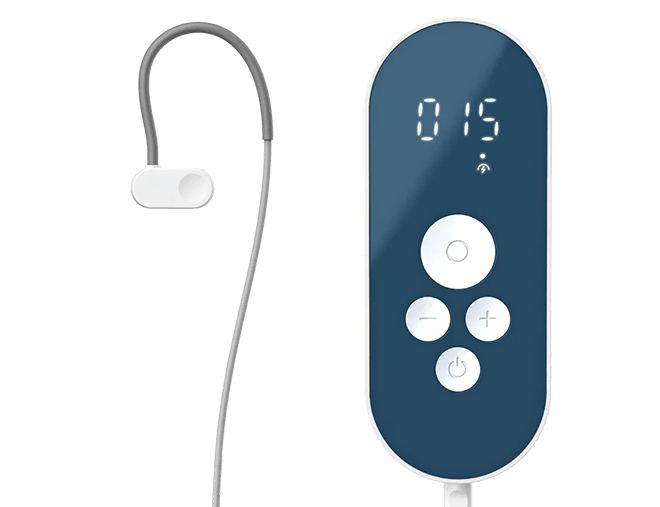
- Hands-free ear-based vagus nerve stimulation
- Fixed earpiece placement for consistent targeting
- No conductive gel or neck positioning required
- Built around protocols used in clinical research
- Designed for consistent daily stress, sleep, and recovery support
- Strong research footprint with 50+ clinical studies cited by the manufacturer
FAQs
Is Nuropod better than Pulsetto?
Overall, yes, based on our in-depth comparison given our specific review criteria. We prefer Nuropod for its fixed auricular placement, simpler session setup, and larger research footprint. Pulsetto makes sense for those prioritize short sessions, app guidance, and/or price.
Which is better for sleep?
Both brands market their devices for relaxation and sleep support. If you are choosing based on the more standardized stimulation method and research depth, we prefer Nuropod. If you want a very short bedtime routine with a dedicated app program, Pulsetto is more convenient. Individual results vary, and neither device should replace evaluation or treatment for a sleep disorder.
Which device needs conductive gel?
Pulsetto requires conductive gel to support electrical contact at the neck. Nuropod uses an ear-based earpiece and does not require gel for each session.
Are Nuropod and Pulsetto medical devices?
Both companies use wellness and regulatory disclaimers on their consumer pages and state that their products are not intended to diagnose, treat, cure, or prevent disease. If you have a medical condition, are pregnant, use an implanted electrical device, or take medication that affects heart rhythm or blood pressure, check with a qualified clinician before using a stimulation device.